In 2026, B2B branding is moving out of the “nice to have” category and back to the center of the growth strategy. Infopro Digital’s benchmark shows a real shift: after a 2025 dominated by lead generation, marketing leaders are putting brand awareness and brand image back at the top of the agenda. For SMEs, the takeaway is clear: brand is once again a business asset, not just a logo or a style guide.
And this is not a minor trend. Budgets are holding up overall, with 95% of companies reporting no decline. Better yet, 39% expect increases, and 42% of small businesses and SMEs are moving in the same direction. In other words, the investment window is open. The only question is who will use it strategically.
The SME Opportunity: Build a Brand That Lowers Customer Acquisition Cost
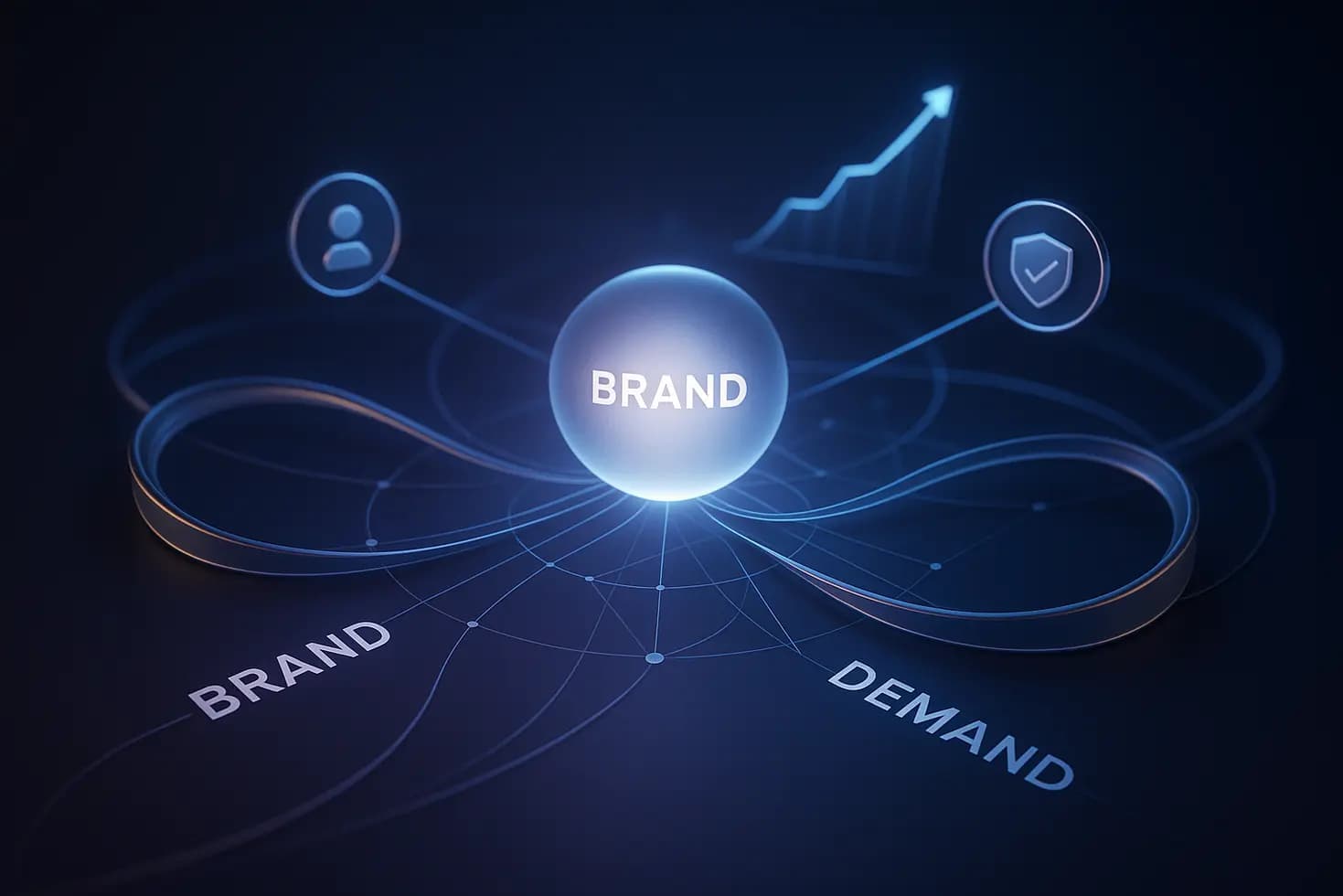
For an SME, the good news is simple: investing in brand does not work against profitability. On the contrary. The 2026 benchmark is stabilizing around 7% to 9% of revenue in marketing, with a 50/50 split between Brand and Demand. That mix helps avoid the classic “all leads, all the time” trap, which burns through budgets and makes the company dependent on increasingly expensive campaigns.
The real payoff? A stronger brand reduces customer acquisition cost over time. When prospects already know your company, they compare less, hesitate less, and move faster through the sales cycle. The result: less commercial friction, higher conversion rates, and smoother buying journeys.
The most mature companies are already tracking the right metrics: cost per sales opportunity, sales cycle length, and overall ROI. Those are the numbers that justify budgets to executive leadership, not just the volume of forms submitted.
Another notable trend: the formats gaining momentum are highly tangible. Video leads the way, with 48% of priorities, followed by visual content creation. Automation is also growing, especially across social media and email marketing. In short, this is about building a brand that is more present, more consistent, and easier to recognize.
The Warning: A Strong Brand Cannot Be Managed by Gut Feeling
The flip side is that branding is easier to fund than to manage. Without clear governance, the 50/50 Brand/Demand balance quickly becomes theoretical. You either overinvest in visibility without solid measurement, or you rush back to lead generation because “it shows results faster.”
The real issue is measurement. Brand awareness and brand image are harder to connect directly to revenue than lead generation. That creates a risk of poor budget allocation if no one is tracking the right signals. Brand compounds over time, especially in B2B where buying cycles are long and decisions are rarely impulsive.
Another point of caution: if your organization lacks disciplined reporting, a budget increase can create internal tension. Marketing must then prove it is not simply spending more, but building a stronger pipeline that is more durable and less costly to serve.
Conclusion
The 2026 message is clear: in B2B, brand is once again a performance lever. For SMEs, the right move is not to choose between awareness and acquisition, but to make them work together under a disciplined operating model. Companies that structure their branding now will pull ahead of those still waiting to see whether it “works” — when it is already too late.
Rather than improvising, Cohesium AI can help you define a Brand/Demand ROI measurement framework, with clear governance and a prioritized roadmap for your SME. Contact us